Radiologic Technology
See into your future with radiologic technology.
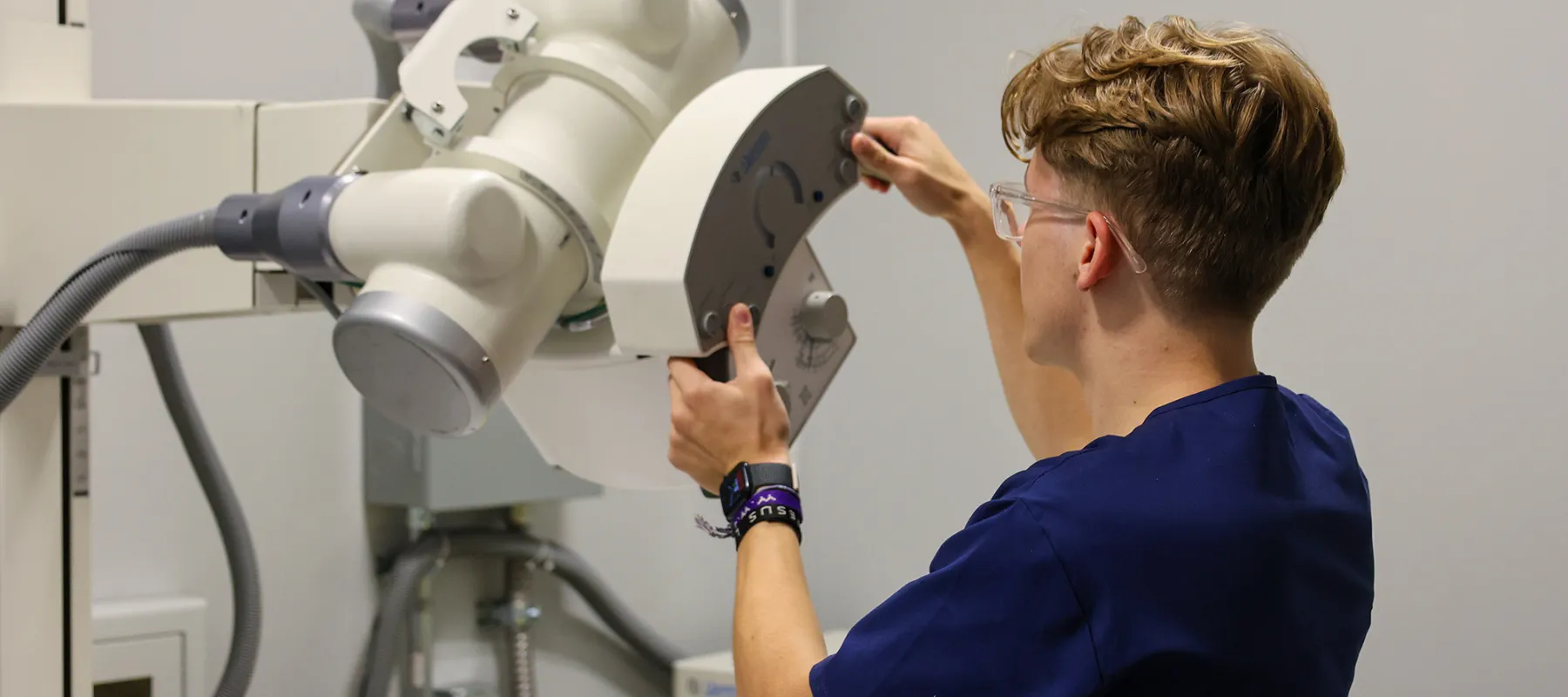
At Alfred State, you’ll prepare for a rewarding healthcare career through hands-on training and clinical rotations in New York’s top facilities. The Radiologic Technology AAS teaches you to produce diagnostic and therapeutic images while mastering patient-centered care and radiation safety. With experience on modern equipment and guidance from expert clinical staff, you’ll graduate ready to work in hospitals, clinics, or specialized imaging settings.
Pioneer Quotes:
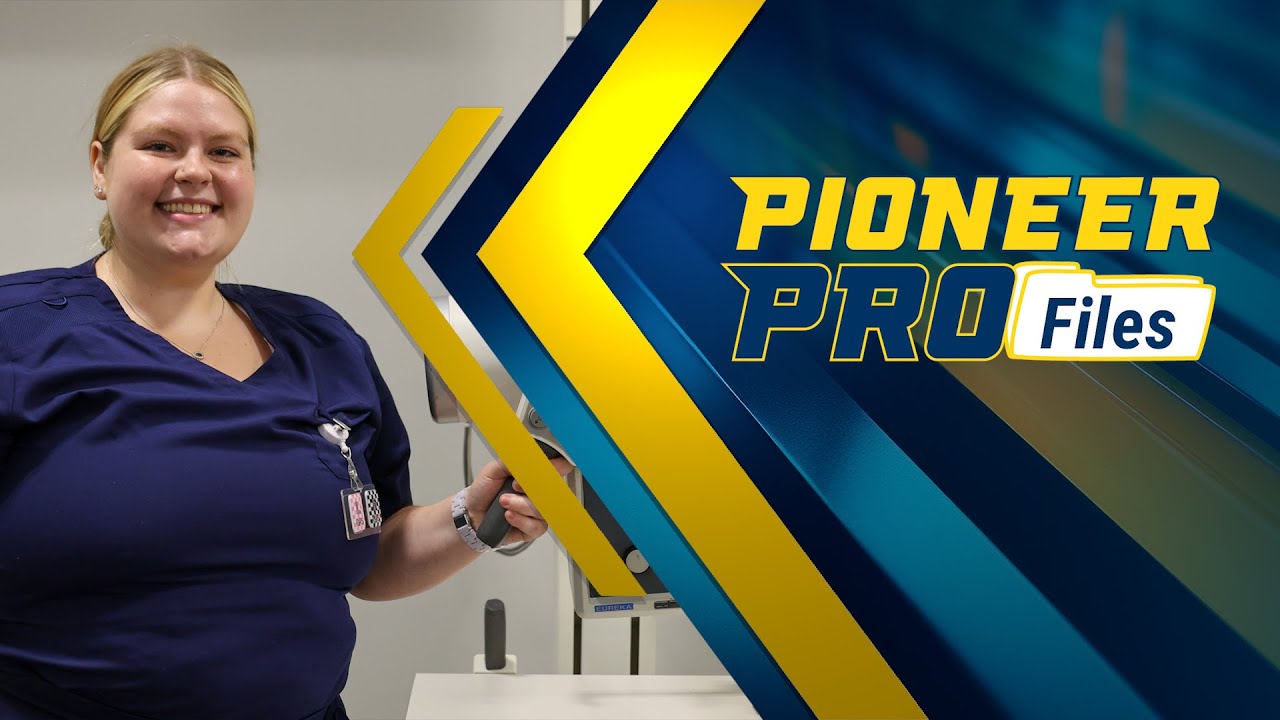
"The clinical experience has been eye-opening and truly beneficial... It validates the feeling that you have chosen the right path to you future." -Jamie McKay, Allied Health Alumni
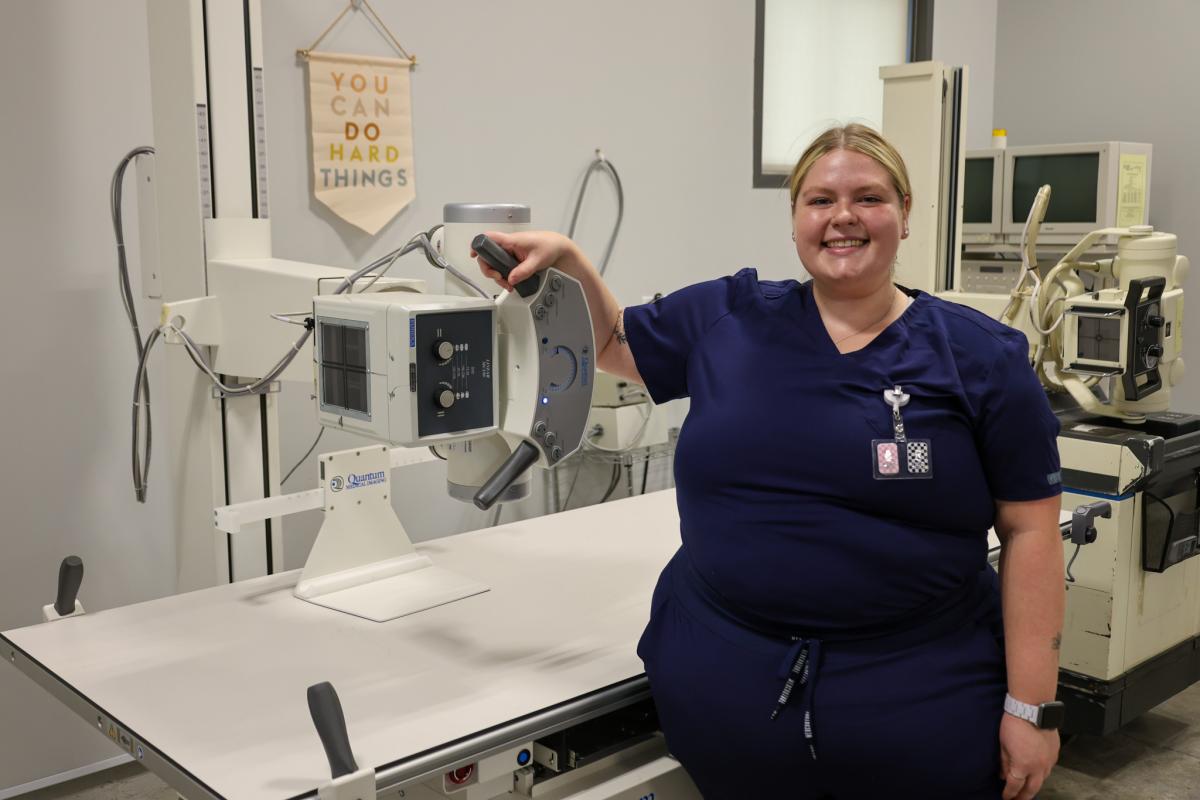
"I have always wanted to be in the medical field and being a radiologic technologists seemed like a great career choice. I've loved the program; our x-ray lab is amazing and I have learned so much in this hands-on program." -Audrey Folts, Allied Health Alumni
Program Details
Courses You May Take
BIOL1404: Anatomy & Physiology I
Credits: 0-4
RADT1013: Fundamentals of Radiologic Sci
Credits: 3
RADT2023: Radiographic Procedures I
Credits: 3
See All Required Courses
Entrance Requirements
Applicants for the radiologic technology program must possess a recognized high school diploma or its equivalent. A standardized test (SAT or ACT) is not required but recommended. Specific high school course requirements and recommendations are:
Required
- Algebra
- Geometry
- Algebra 2
- Biology
- Interview with the academic department
Recommended
- Chemistry
- Physics
Applicants with previous college experience must submit an official college transcript, as their success at the college level will be an admissions consideration. Due to the technical and science rigor, entrance requirements are higher than those of the institution.
Application Deadlines
Students are encouraged to apply prior to Dec. 1 in order to be included in the priority review process. Qualified applicants who meet the academic criteria will be invited to participate in an interview with the selection committee. Students will be notified of their decision by mid-January and will be required to submit with enrollment deposit by March 1.
Completed applications received after Dec. 1 will be included in the traditional rolling admissions process. Job shadowing is strongly encouraged.
Program Effectiveness Data
The following is the most current program effectiveness data. Our programmatic accreditation agency, the Joint Review Committee on Education in Radiologic Technology (JRCERT), defines and publishes this information. This program Effectiveness Data is published on the JRCERT website and the explanations of these measures can be found on JRCERT Website.
Credentialing Examination
Defined by the number of students who pass, on the first attempt, the American Registry of Radiologic Technologists (ARRT) certification examination, or an unrestricted state licensing examination, compared with the number of graduates who take the examination within six months of graduation. The five-year average benchmark established by the JRCERT is 75%.
ARRT Examination Pass Rate
| Year | Number of Students Attempting Exam | Number of Students Passing Exam on the First Attempt | Average 1st time Pass Rate |
|---|---|---|---|
| 2021 | 17 | 14 | 82% |
| 2022 | 14 | 8 | 57% |
| 2023 | 12 | 7 | 58% |
| 2024 | 18 | 15 | 83% |
| 2025 | 26 | 20 | 77% |
| 5-Yr Avg | 87 | 64 | 73.60% |
Program Completion
Defined by the number of students who complete the program within the stated program length. The annual benchmark established by the program is 75%.
Program Completion Data
| Year | Number of Students Beginning the Program | Number of Students Graduating from the Program | Percent Completion |
|---|---|---|---|
| 2021 | 18 | 19 | 95% |
| 2022 | 14 | 17 | 82% |
| 2023 | 11 | 12 | 92% |
| 2024 | 18 | 24 | 75% |
| 2025 | 24 | 25 | 96% |
| 5-Yr Avg | 85 | 97 | 88% |
Job Placement
Defined by the number of graduates employed in the radiologic sciences compared to the number of graduates actively seeking employment in the radiologic sciences. The number of students may vary from program completion because JRCERT defines "not actively seeking employment" as: 1) graduate fails to communicate with program officials regarding employment status after multiple attempts, 2) graduate is unwilling to seek employment that requires relocation, 3) graduate is unwilling to accept employment, for example, due to salary or hours, 4) graduate is on active military duty, and/or 5) graduate is continuing education. The five-year average benchmark established by the JRCERT is 75%.
Job Placement Rate
| Year | Number of Students Actively Seeking Employment | Number of Students Employed Within 12 Months | Percentage |
|---|---|---|---|
| 2021 | 16 | 16 | 100% |
| 2022 | 14 | 14 | 100% |
| 2023 | 11 | 11 | 100% |
| 2024 | 17 | 17 | 100% |
| 2025 | 24 | 24 | 100% |
| 5-Yr Avg | 82 | 82 | 100% |
Program Overview
Program Structure
This two-year program is a fall start only and includes 4 semesters + 1 summer clinical between year 1 and 2.
Program Clinicals
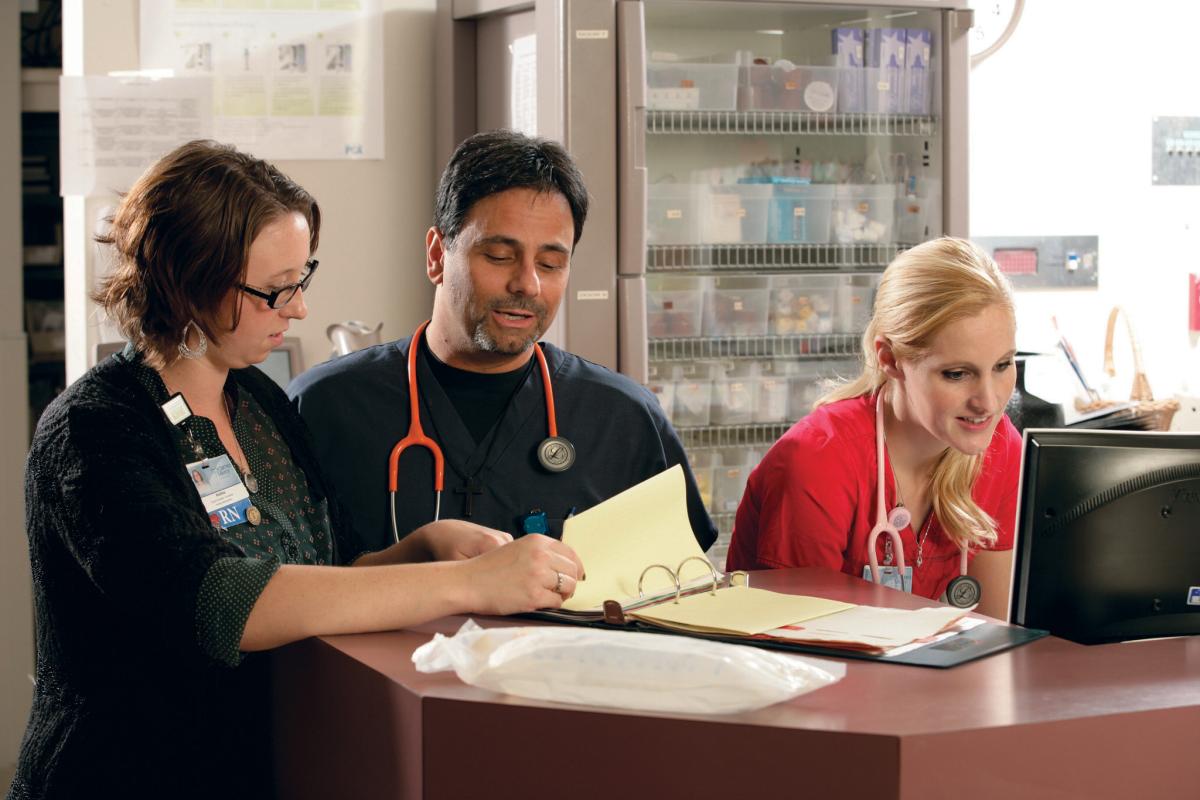
The Radiologic Technology Program at Alfred State includes didactic, lab skills preparation and four clinical experiences. Clinical experiences in this program include eight clinical hours per week during the second semester of study, 24 clinical hours per week in the third and fourth semesters, and a 15-week (40 hours per week) summer session. Clinical placements are in healthcare settings near Alfred State during the semesters. Typically, summer placements are near the students’ home. In some cases, they are near Alfred and summer housing can be coordinated if needed. NOTE: Students are required to provide their own vehicle for transportation for all clinical experiences.
Course Fees and Cost of Attendance
Textbooks required for every major and information can be found at the Alfred State Campus Book Store.
SKILLS YOU'LL LEARN
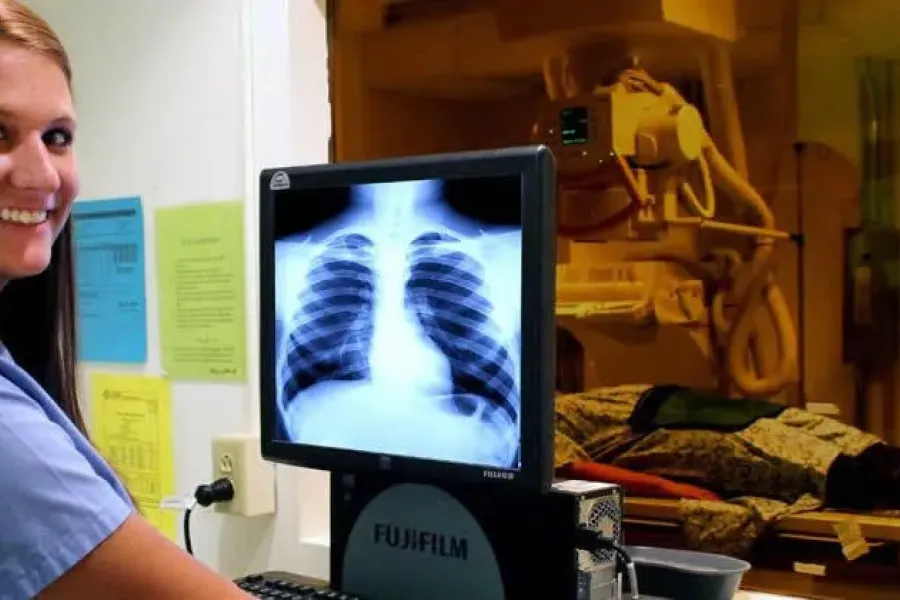
In radiologic technology, you’ll develop patient care and communication skills while applying safe and effective imaging techniques. You’ll evaluate images for diagnostic quality, strengthen critical thinking, and practice cultural competency. Extensive clinical training builds your technical expertise and professionalism, preparing you to deliver effective care and grow as a healthcare imaging professional.
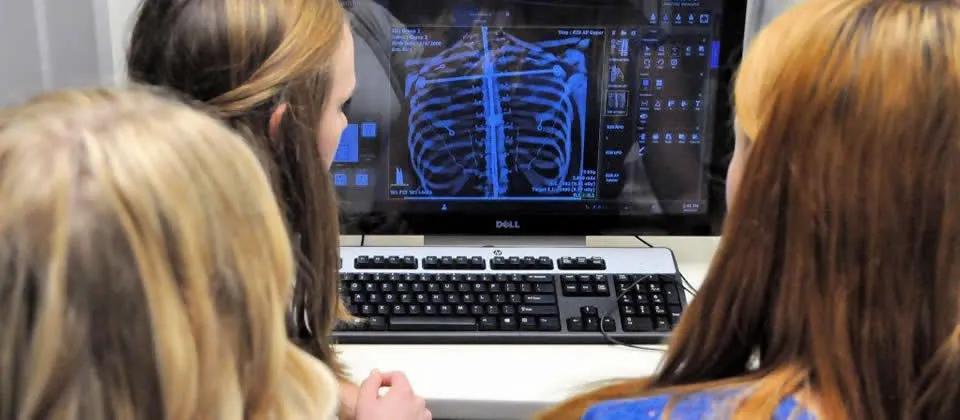
Facilities and Labs
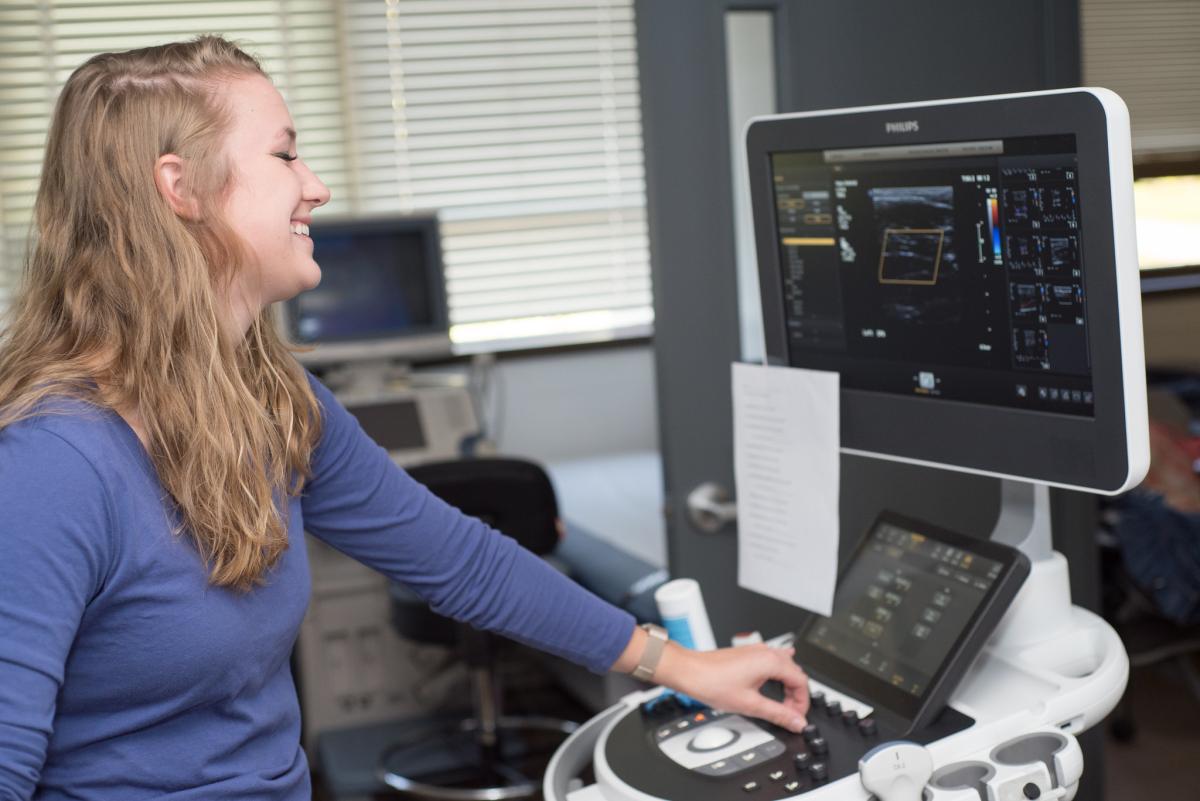
Alfred State provides labs, equipment, and learning spaces that mirror the tools and technology used in the real world.
With 200+ labs on campus and experiential learning in every major, you’ll work with the same resources the pros use and be ready for the workplace on day one.
LAND A GREAT CAREER
Wondering where your skills can take you? Our career tool lets you explore real job titles, key skills, salary ranges, and job outlook data from the US Bureau of Labor Statistics nationally or for New York State.
See how your Alfred State degree connects directly to in-demand careers and start planning your future with confidence.
MEET OUR FACULTY
TAKE THE NEXT STEP
You've seen our wide variety of majors at Alfred State, our great faculty who help you build your skills, and that you can do it at an incredible low cost. Now's the time to become an Alfred State Pioneer.