

Applied Technology
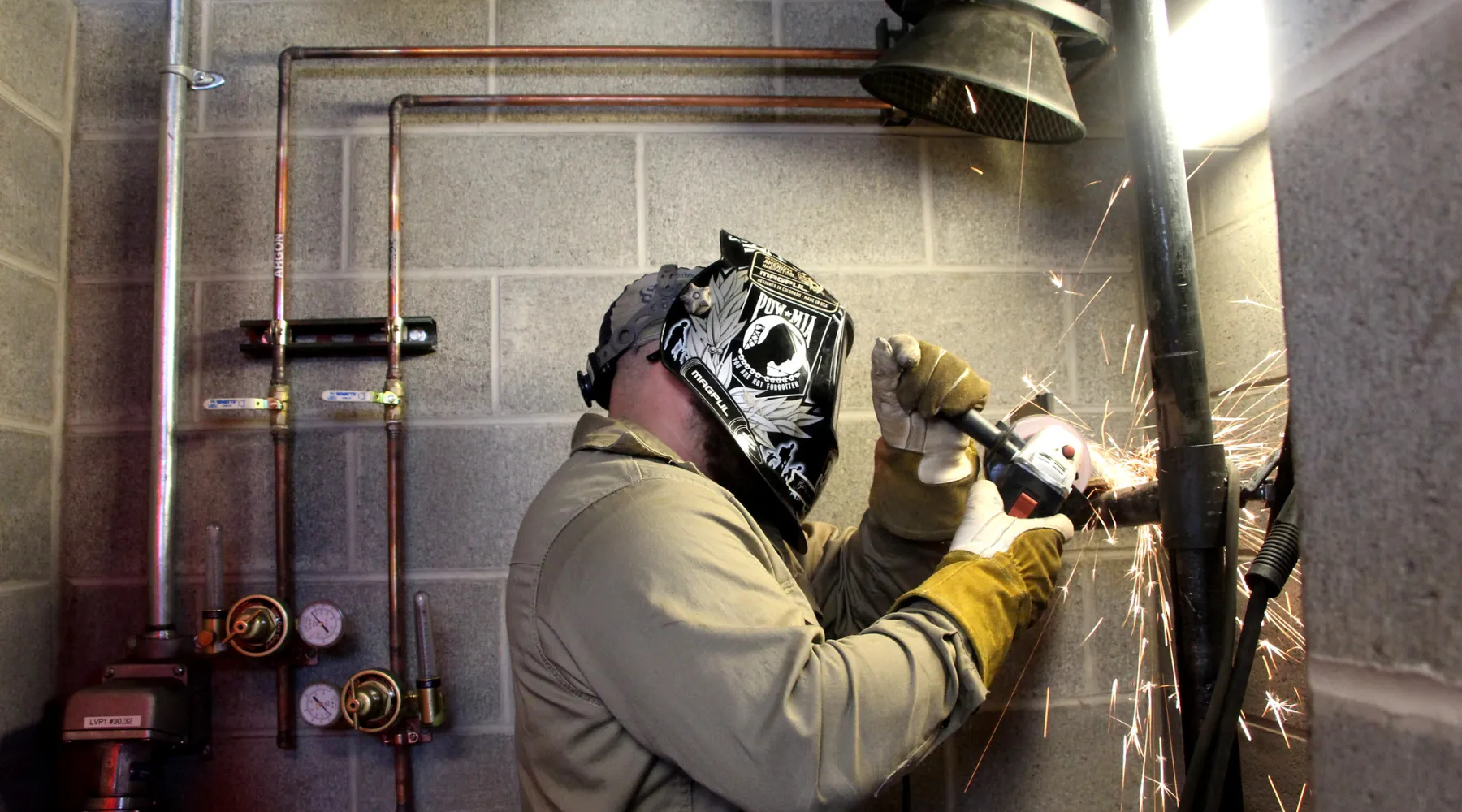
Applied Technology at Alfred State
Applied technology is hands-on education built for students who like understanding how things work and seeing results in real settings. Many people interested in the trades want to know when college adds value and how formal training fits with work experience.
Some enter the field right after high school, while others return to education later as responsibilities increase. In both cases, structured learning can support long-term growth as tools, codes, and expectations continue to change.
At Alfred State, applied technology programs emphasize skills that support advancement in the trades, including system-level understanding, safety awareness, and the ability to adapt as technologies evolve.
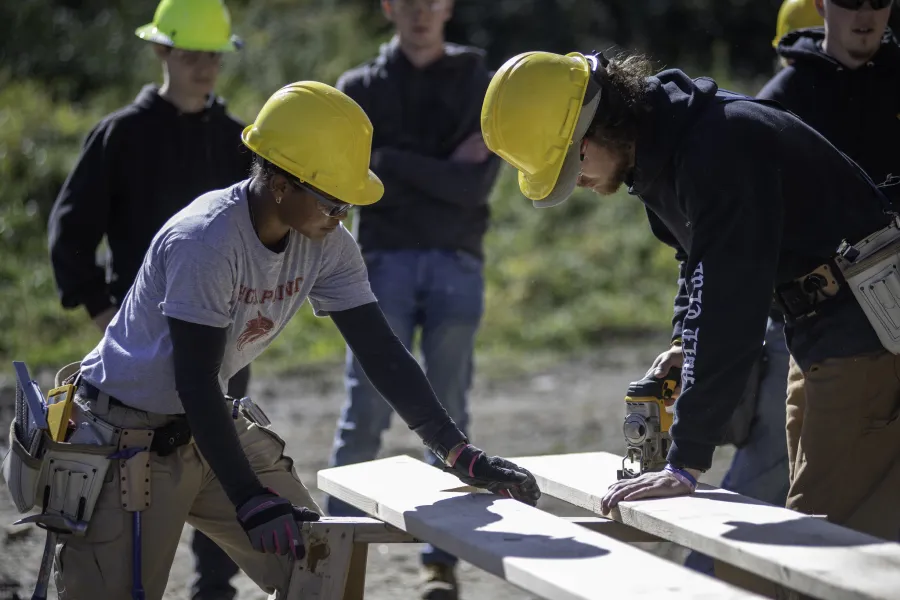
What College Can Add to Trades Careers
Applied technology programs often strengthen skills such as:
- Understanding how systems work, not just completing tasks
- Safety standards, codes, and regulations
- Math and science that are related to the work
- Troubleshooting and problem-solving
- Communication and coordination within a team
- Working effectively with those from different backgrounds and roles
These areas tend to become more important as careers progress and roles expand.
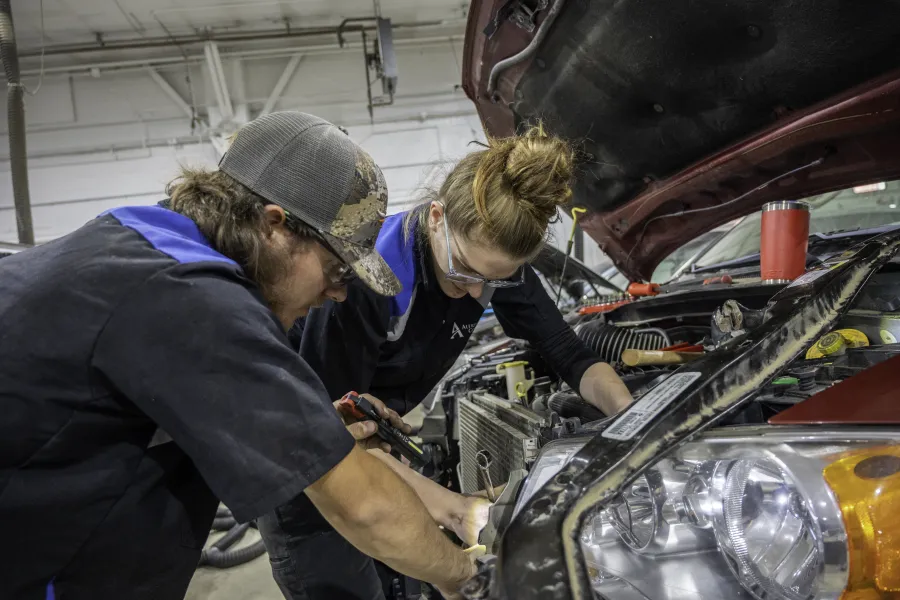
College as Part of a Larger Path
Applied technology programs often strengthen skills such as:
- Understanding how systems work, not just completing tasks
- Safety standards, codes, and regulations
- Math and science that are related to the work
- Troubleshooting and problem-solving
- Communication and coordination within a team
- Working effectively with those from different backgrounds and roles
These areas tend to become more important as careers progress and roles expand.