

Engineering Technology
What Is Engineering Technology?
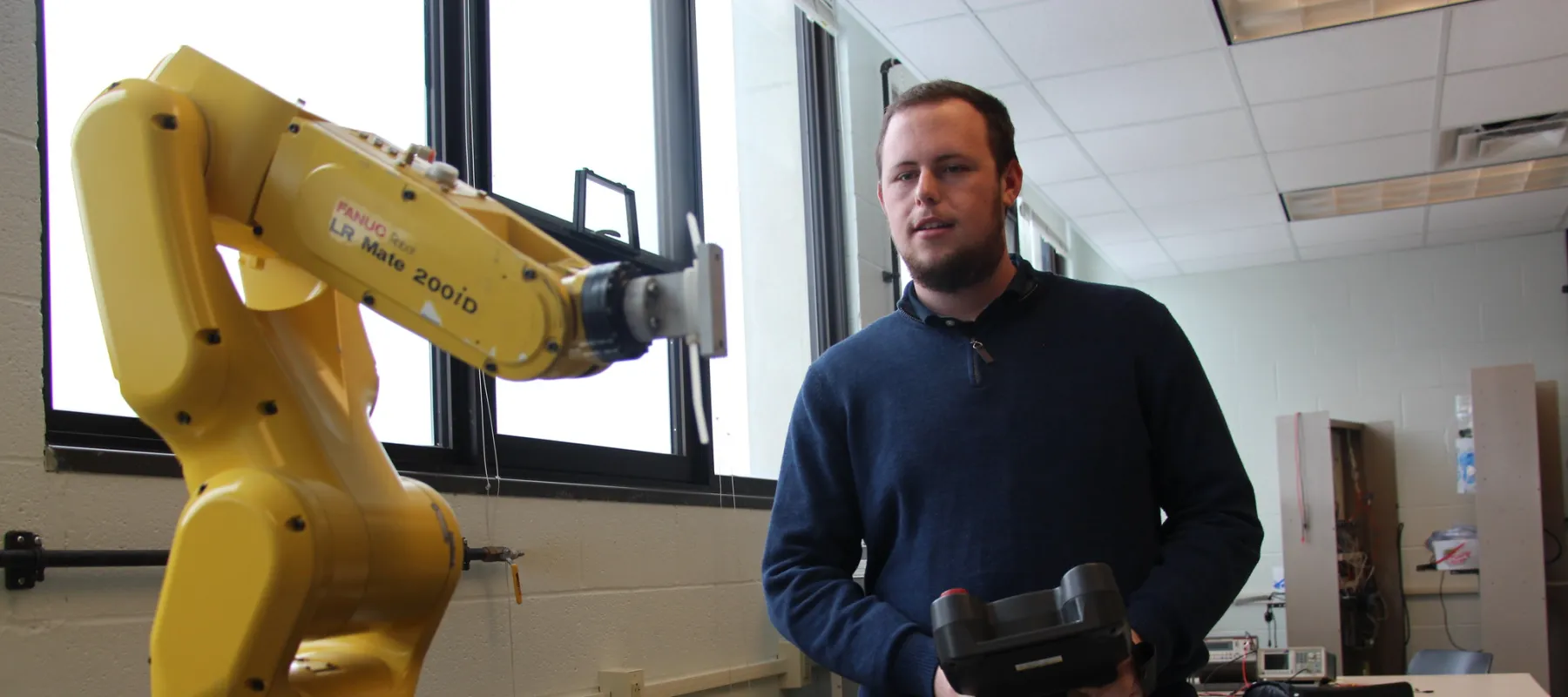
Engineering technology is a hands-on field centered on applying engineering concepts to real systems. While some engineering programs focus on theory and mathematical modeling, engineering technology emphasizes how systems are built, tested, operated, and improved in real environments.
Engineering technology is where ideas meet the real world. Work in this field involves translating designs into functioning systems, responding when conditions change, and adjusting plans based on materials, safety, cost, and practical limitations.
Understanding the difference between engineering and engineering technology helps clarify the style of learning and career environments that come with each path.
How Engineering Technology Is Learned
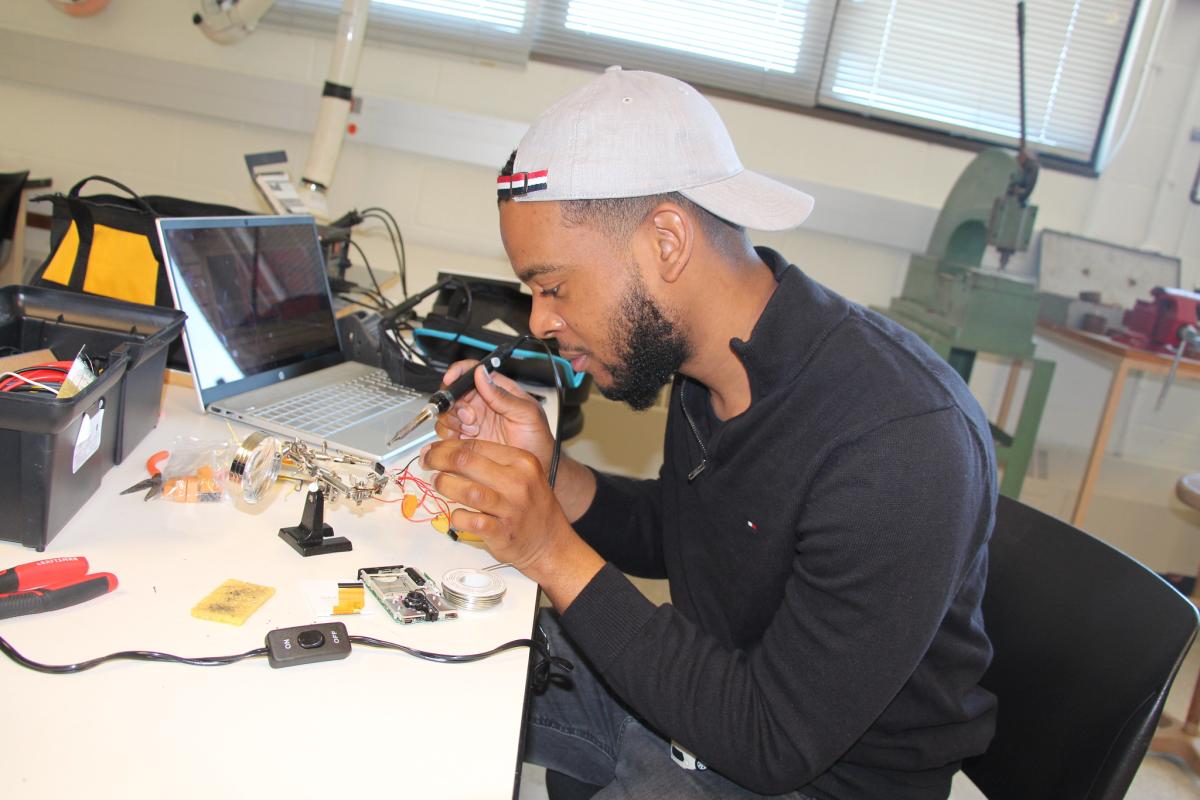
Engineering technology programs rely heavily on learning by doing. Students in these programs typically spend time:
- Working in labs and technical spaces
- Using tools and equipment, just like the pros
- Applying math and science to practical problems
- Completing projects tied to real systems
- Collaborating with the team on applied challenges
Rather than focusing only on abstract analysis, the learning centers on how systems behave when they are built, tested, and used in real conditions.
How Engineering Technology Is Used in the Real World
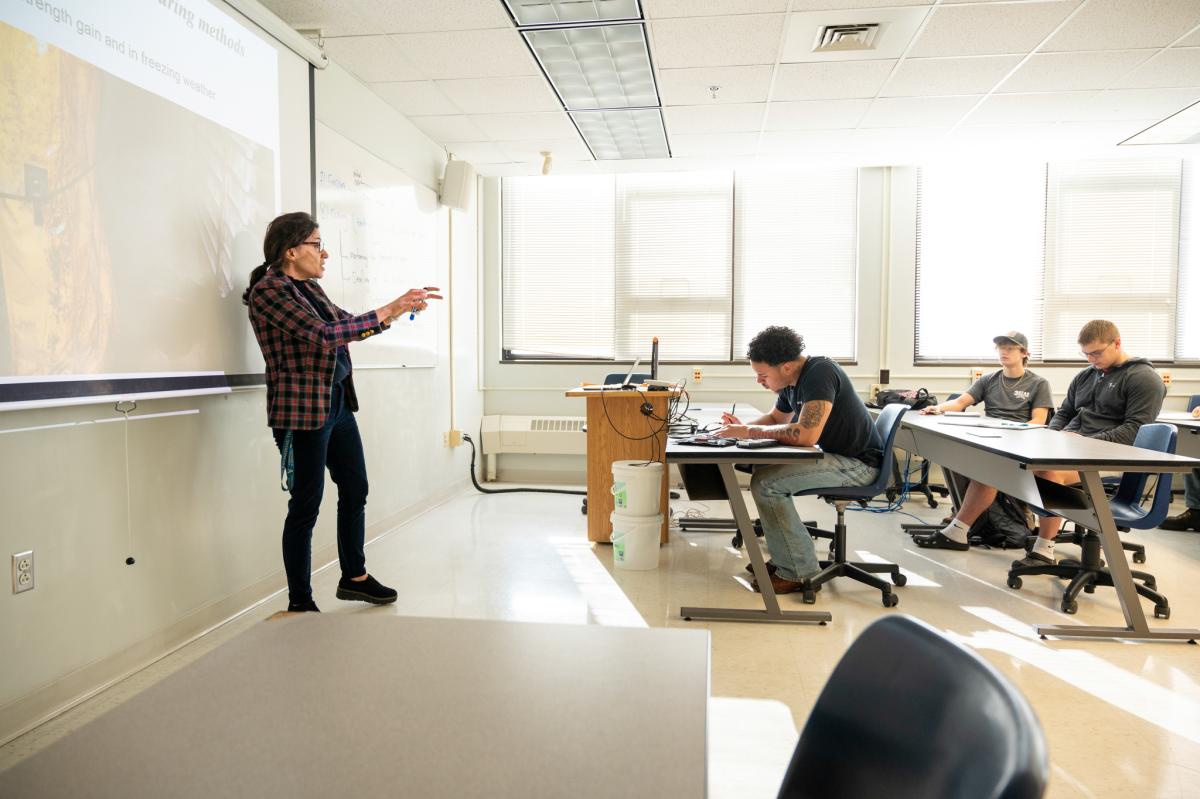
In professional settings, engineering technology work often involves:
- Supporting the implementation of system designs
- Testing equipment and processes
- Troubleshooting issues and improving performance
- Ensuring systems operate safely and reliably
- Developing practical solutions based on workplace realities, and
- Working closely with engineers, technicians, and operators
This work is applied, collaborative, and oriented toward visible results.