

Applied Learning & Internships
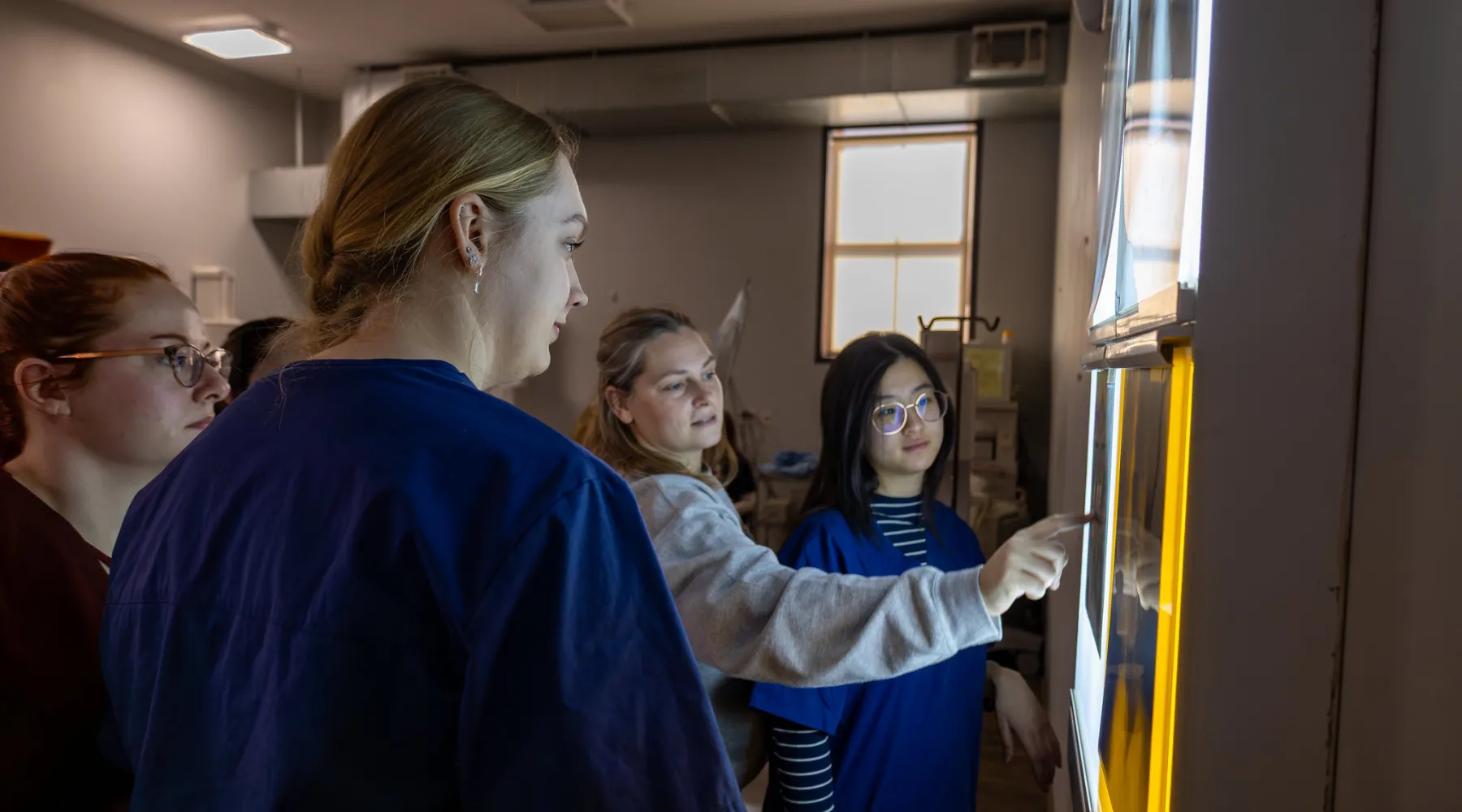
Applied Learning at Alfred State
Skills are developed through hands-on work in labs, studios, clinics, shops, and real-world settings, where learning connects directly to professional practice. Seeing how skills are used in real work environments helps prove their value.
Rather than waiting until the final year, applied learning at Alfred State is integrated from the start. Learning by doing allows skills to build progressively, adapt as expectations change, and remain relevant as careers evolve.
Where Applied Learning Happens
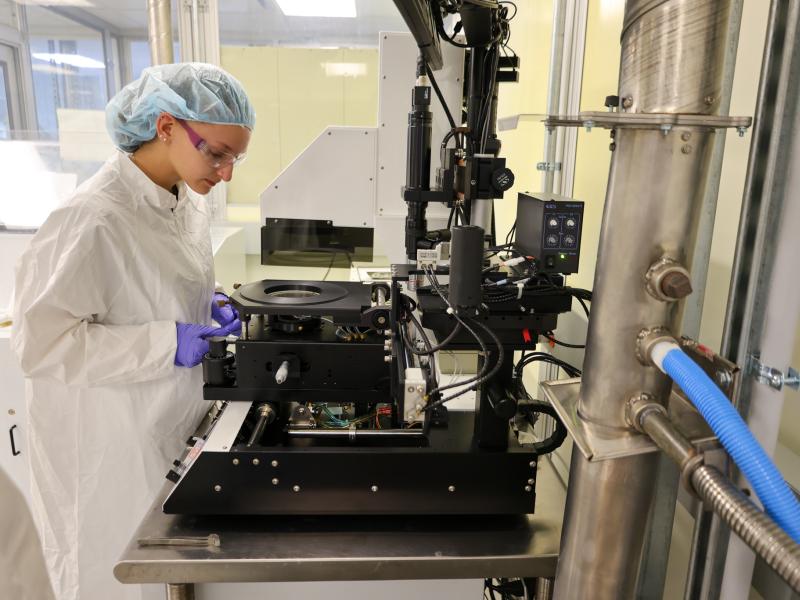
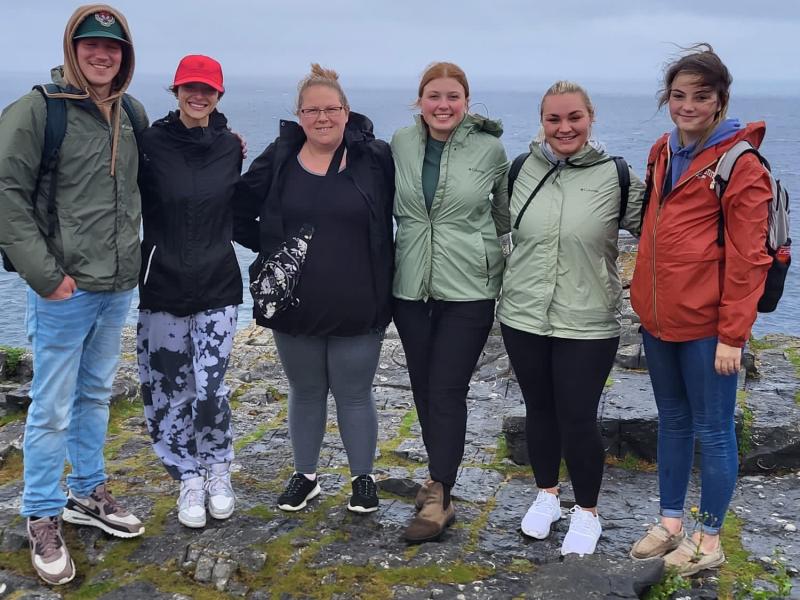
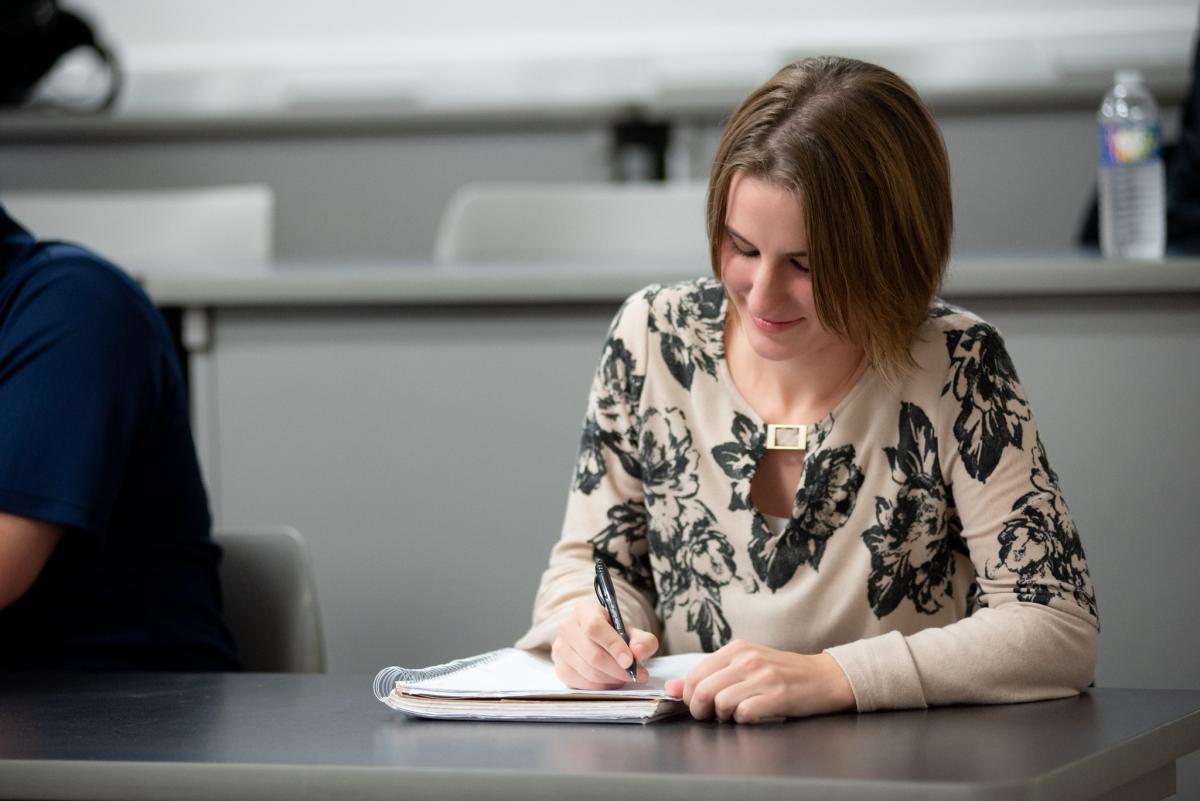
Applied learning often happens outside the traditional classroom. These are the places where skills are developed, tested, and refined to help students be career-ready.

How Applied Learning Prepares Students
Common questions include what careers exist, what it takes to become a professional, and how skills continue to evolve. Seeing how skills are built through hands-on experience helps explain what it takes to be career ready.
With all the skill-building and support, Alfred State is confident that Pioneers are PROS! The definition of PROS shows how learning and experience builds over time, and how support is available when challenges arise.
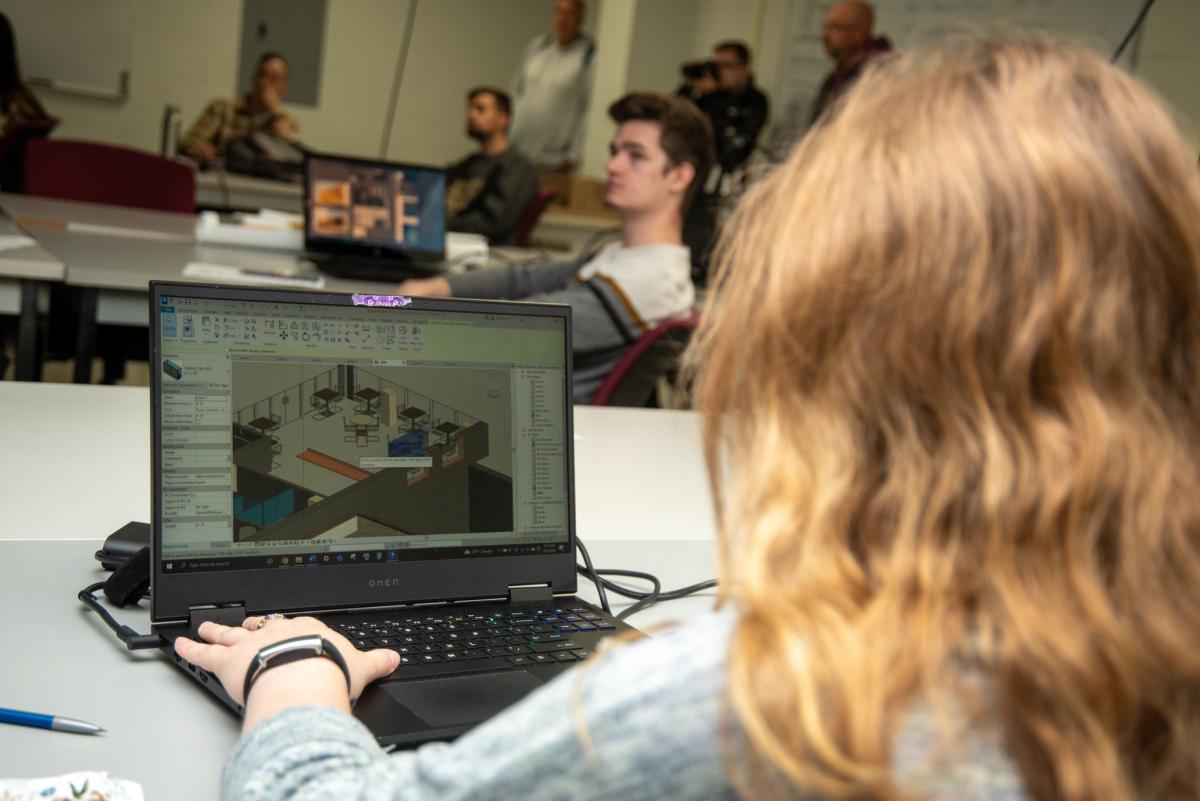
What is Applied Learning
At Alfred State, applied learning means more than completing one internship or final project. It is a learning model that runs throughout academic programs.
Applied learning focuses on:
- Working through real problems rather than only studying examples
- Learning by trying, adjusting, and trying again
- Using the tools, technologies, and processes common in the field
- Collaborating with faculty, classmates, and industry partners
- Building skills that remain useful as jobs and industries change
This approach helps answer an important question early on: Why does this matter?
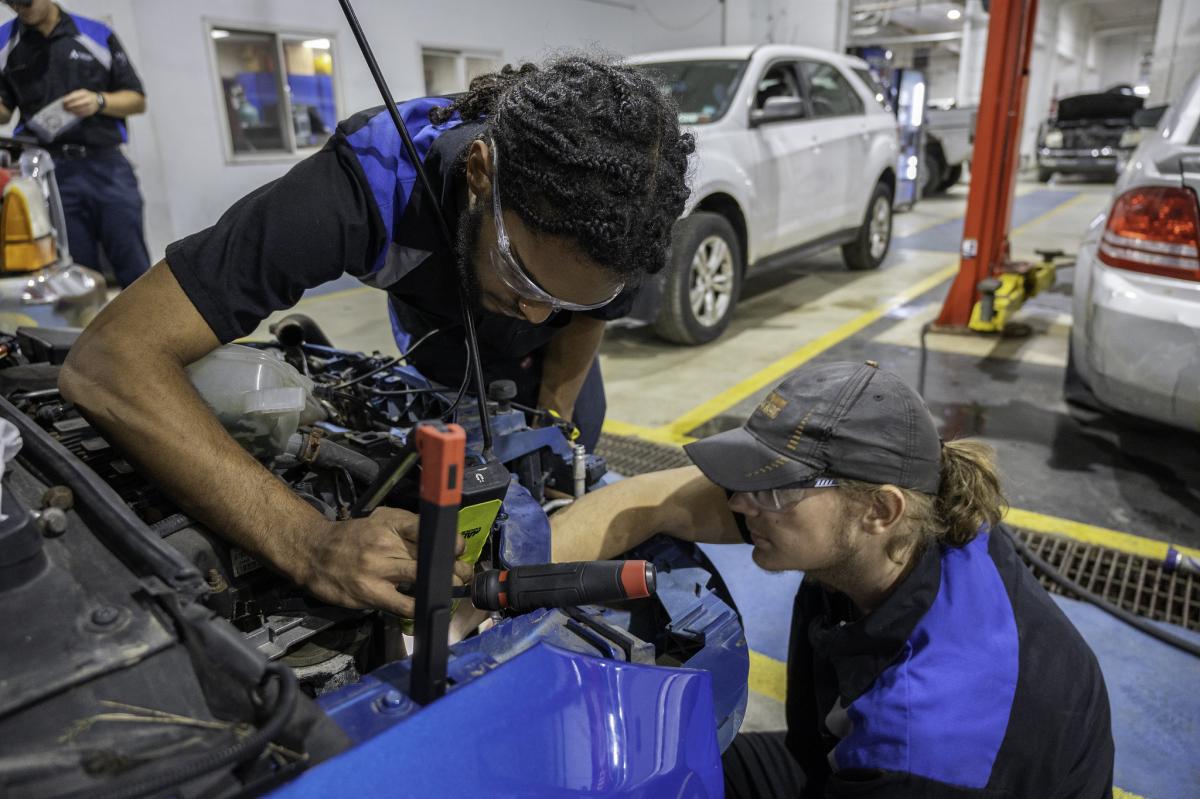
How Applied Learning Works
Hands-on learning builds understanding through:
- Practice in real or simulated work settings
- Analysis of what worked and what did not
- Feedback from faculty, peers, or professionals
- Increasing responsibility as skills develop over time
This approach helps students see how new skills are applied in the real world.
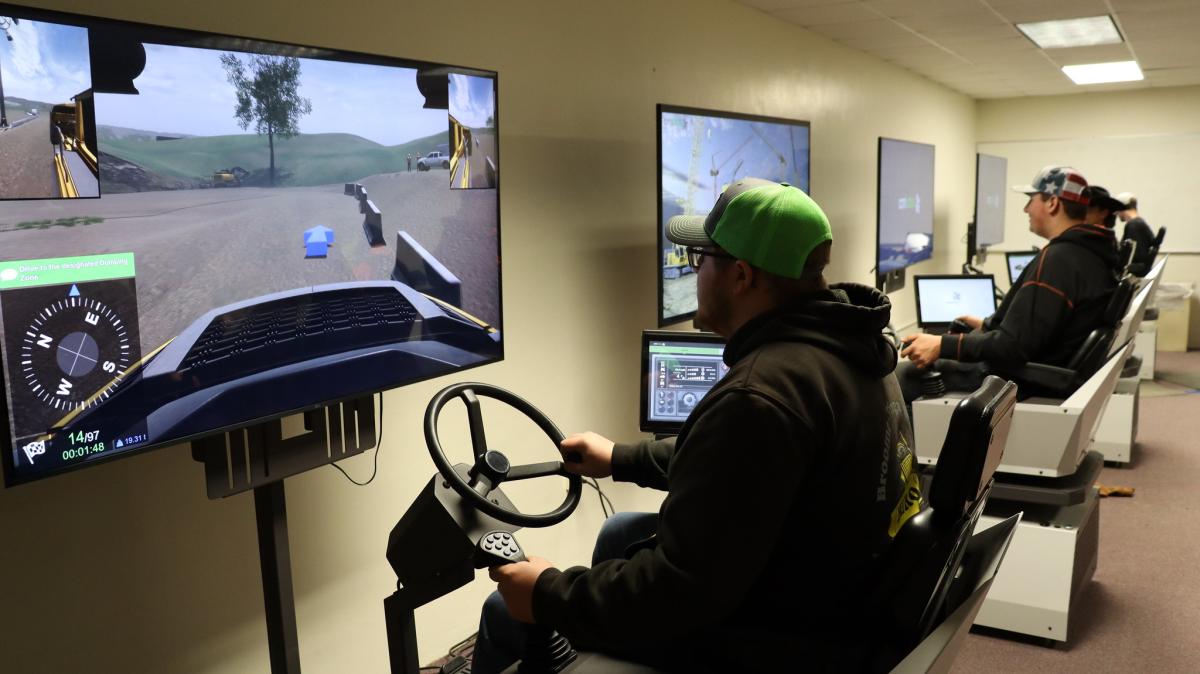
Examples of Applied Learning
- Apply skills in internships: Gain professional experience while working in real-world settings.
- Develop through field practicums: Work directly in an industry to build and demonstrate career-ready skills.
- Conduct applied research: Collaborate with faculty on original research or creative projects with real-world relevance.
- Solve community challenges: Design solutions to community-identified problems as part of coursework.
- Analyze real-world case studies: Examine complex scenarios to strengthen decision-making and problem-solving skills.
- Practice in hands-on labs: Build confidence in realistic environments, such as simulation labs for construction, criminal justice, and nursing.