
Interdisciplinary Studies
Create your own career path with interdisciplinary studies.
At Alfred State, you’ll design a degree that fits your goals instead of fitting into a traditional major. The Interdisciplinary Studies BTech lets you combine core courses in STEM, management, design, health, or humanities with concentration areas tailored to your interests. With a flexible, technology-focused curriculum, you’ll graduate prepared for a wide range of careers or for advanced study in graduate or professional programs.
Pioneer Quotes:
"The interdisciplinary studies bachelor of technology degree is a great way for students to merge two or more subject areas for a unique or very specific degree focus while opening up a variety of careers or transfer options." -Dr. Kathleen Casey
Program Details
Courses You May Take
GLST2113: Global & Diverse Perspectives
Credits: 3
IDST5002: Interdisc Studies Capstone Des
Credits: 2
IDST7001: Interdisc Studies Capstone Prj
Credits: 1
See All Required Courses
Entrance Requirements
Required
- Algebra
- Second year of advanced math
- Two units of science
SKILLS YOU'LL LEARN
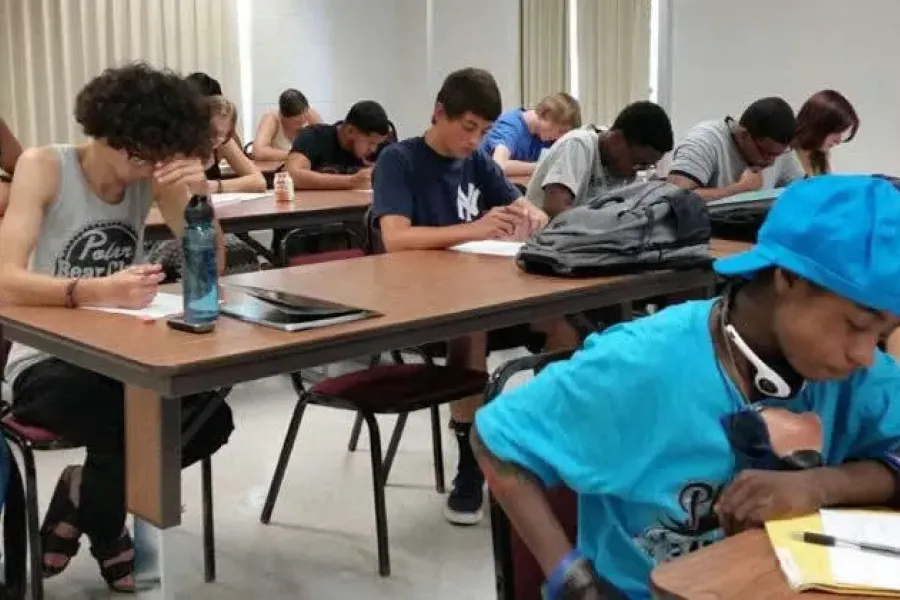
In interdisciplinary studies, you’ll design a customized degree by blending two or more concentration areas while strengthening your written, oral, and digital communication skills. You’ll apply research and critical thinking, evaluate how lower- and upper-level courses connect, and learn to integrate diverse perspectives to solve real-world problems. This flexibility prepares you for careers across multiple fields or for graduate-level study.
Facilities and Labs
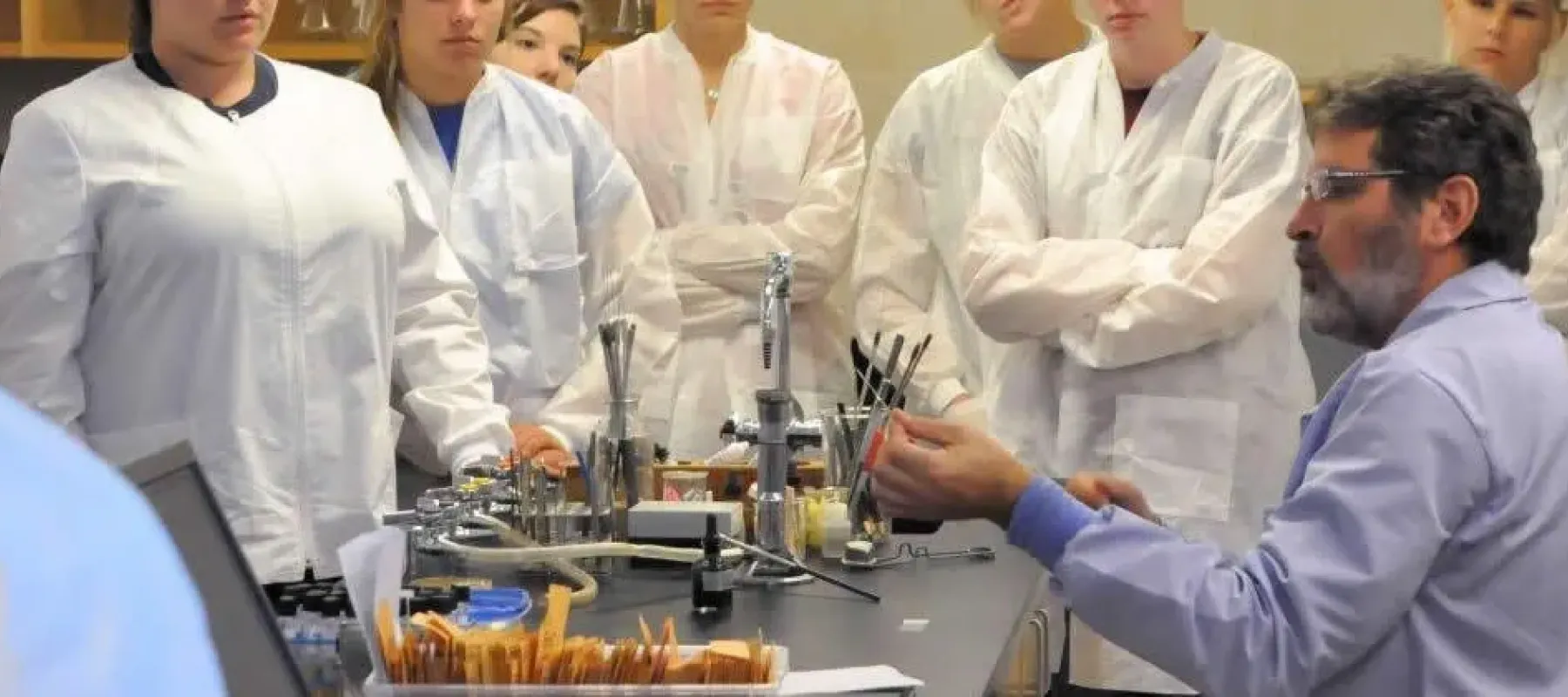
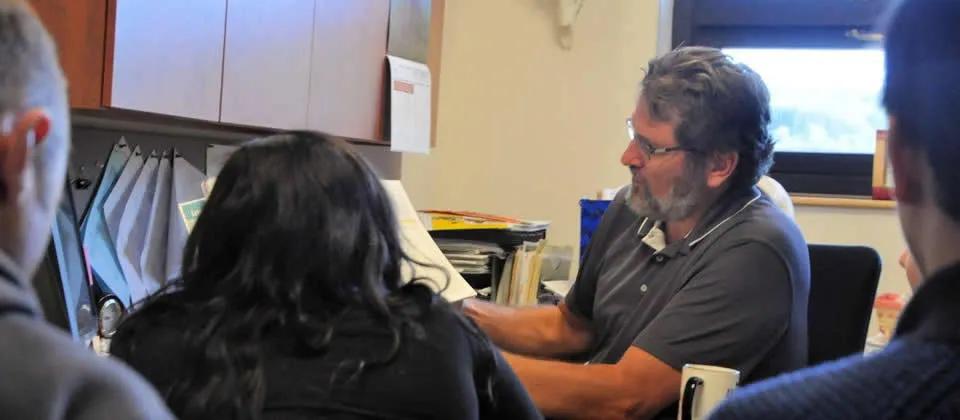
Alfred State provides labs, equipment, and learning spaces that mirror the tools and technology used in the real world.
With 200+ labs on campus and experiential learning in every major, you’ll work with the same resources the pros use and be ready for the workplace on day one.
MEET OUR FACULTY
TAKE THE NEXT STEP
You've seen our wide variety of majors at Alfred State, our great faculty who help you build your skills, and that you can do it at an incredible low cost. Now's the time to become an Alfred State Pioneer.